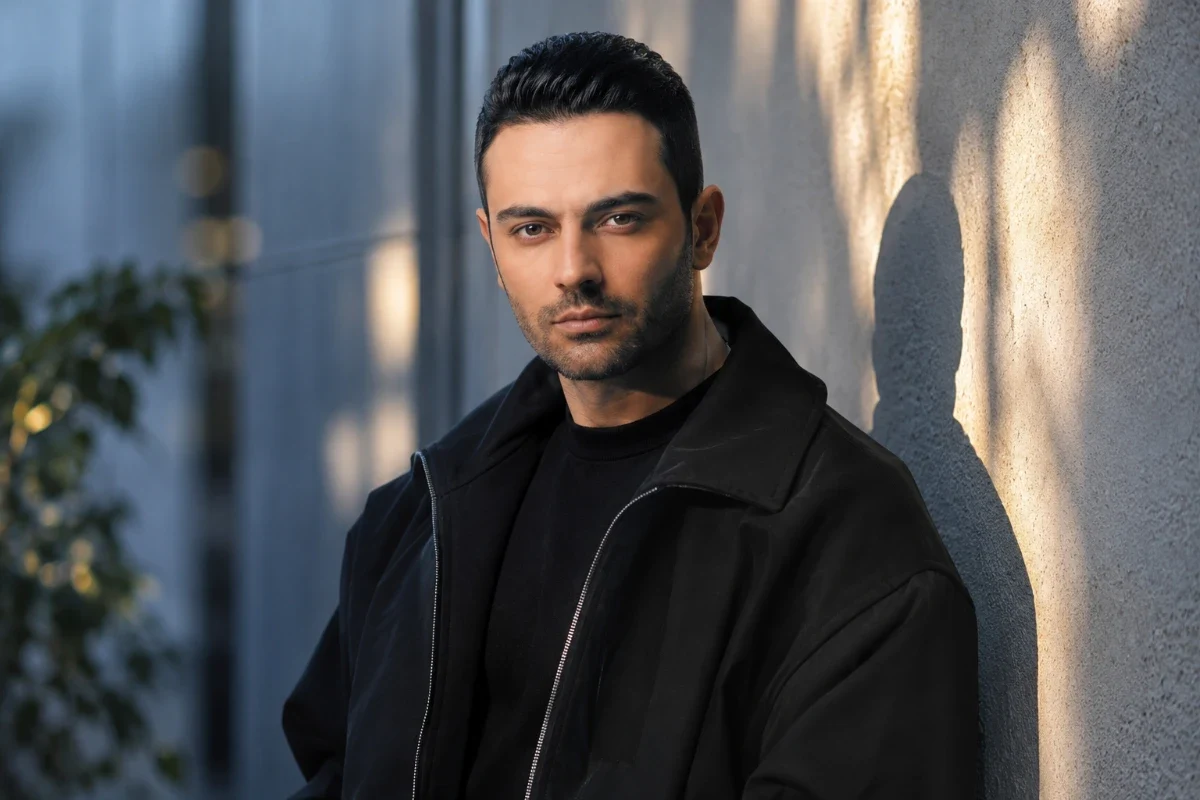
Shadmehr Aghili biography: from Tehran’s pop revival to the global stage
From Tehran’s late-1990s pop revival to international stages and new music in 2026, explore Shadmehr Aghili’s life, recordings, collaborations and musical evolution.
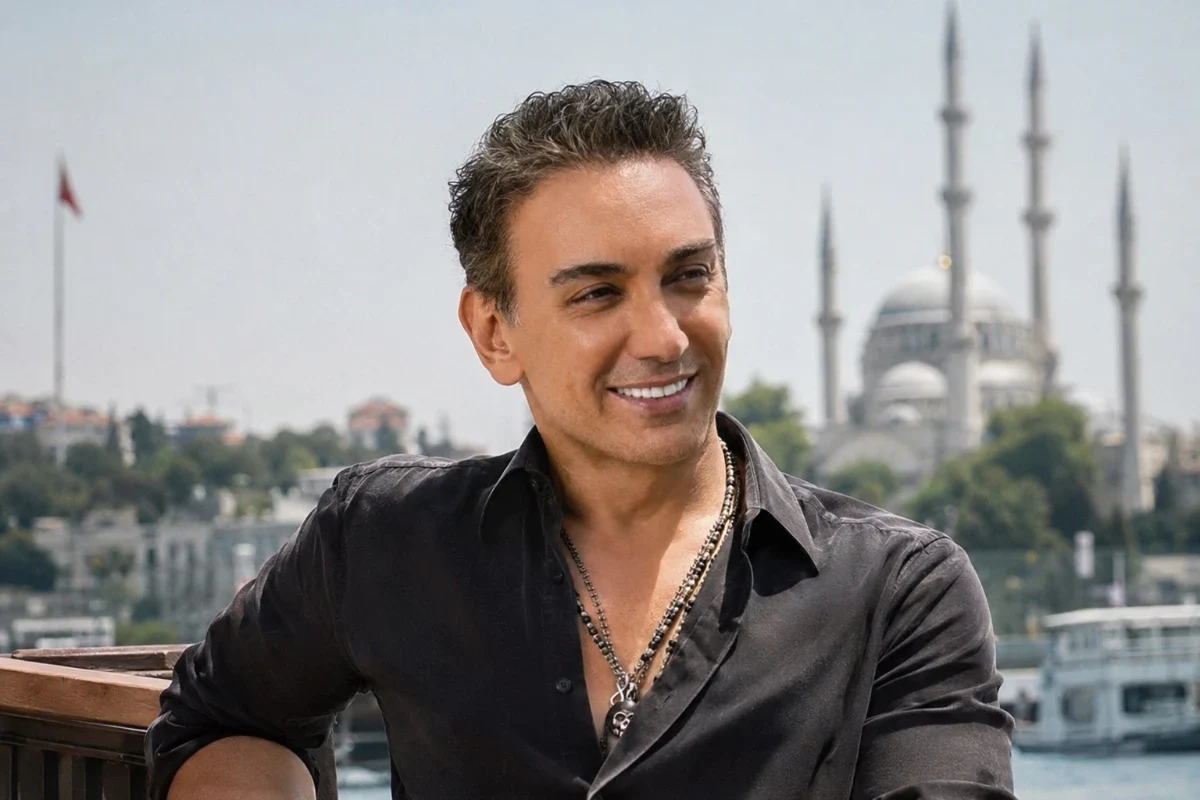
Nearly three decades after his first instrumental album, Shadmehr Aghili (شادمهر عقیلی) occupies a distinctive place in Iranian popular music: a performer whose career has developed on both sides of the country's cultural and geographical borders. His path from instrumental recordings in Tehran to international touring offers a way to understand how Persian pop changed from the late 1990s to the streaming era.
The singer, composer, arranger and multi-instrumentalist remains active in 2026. A new single in November and scheduled European concerts in December provide the latest chapter in a career that has repeatedly moved between studio experimentation, songwriting partnerships and live performance.
Musical beginnings in Tehran
Aghili was born in Tehran in the early 1970s. Before establishing himself as a vocalist, he built his musical identity around playing instruments, arranging melodies and composing for other performers. Violin, piano, guitar and keyboards became important elements of his professional repertoire.
His 1997 instrumental release Bahar-e Man (My Spring), documented in his Copernicus Center concert biography, presented older melodies through his own arrangements. Rather than beginning with a singer's showcase, he entered the record market through instrumental interpretation. That distinction helps explain why his identity as a musician has remained central to his public image even after his rise as a pop vocalist.
The same period brought his voice to recordings including Mabood. Mosafer (The Traveller), released in 1998, expanded that vocal direction and set the stage for a broader commercial breakthrough.
Dehati and the changing sound of Iranian pop
Dehati, originally released in 1999, marked an important moment in Aghili's recording career. Its combination of contemporary pop production, dance-oriented rhythms and familiar Persian melodic language placed it within a period of renewed activity in Iran's domestic pop market.
Aghili's early success also reflected a wider cultural tension: younger audiences were embracing new popular sounds while public performances and broadcast opportunities remained subject to restrictions. A Washington Post report from August 2001 documented his prominence in that environment and the barriers to live concerts.
Dehati is often described as a major commercial success. Its historical significance is clearer than the precise sales figures that have circulated over the years. The album also remains accessible to a later generation of listeners through digital editions, although dates attached to reissues should not be confused with its original release year.
Film, creative restrictions and departure from Iran
Music was not his only medium during this phase. Aghili appeared in the films Pare Parvaz (2000) and Shabe Berahneh (2001). For an artist already associated with a new generation of pop, cinema offered another way of reaching audiences at a time when concert access was limited.

His proposed album Adam o Hava encountered licensing difficulties. By the early 2000s he had relocated to Canada to continue his work outside Iran, subsequently building a career in the United States. His departure did not end his relationship with Persian-language audiences; it changed the industry through which he reached them.
The move also placed him within the established overseas Persian music business, where production, distribution and touring could take place across national borders.
Building a catalogue beyond Iran
The overseas years brought releases including Khiali Nist, Adam Foroush and Popcorn. The 2004 Adam Foroush period and the 2005 release of Popcorn illustrate a musician working within a new recording environment. The latter is listed under Nava Media in the digital album catalogue.
Taghdir followed in 2009. The title song became part of a body of work in which the emotional relationship between singer and listener increasingly took centre stage. Across this period, Aghili balanced the identity of an instrumentalist and composer with the demands of being a front-facing recording artist.
The subsequent albums Tarafdar (2012), Tajrobeh Kon (2016) and Tasvir (2018) provide useful reference points for tracing his later development. Songs such as Entekhab, Esmam Dare Yadam Mire, Rooze Sard, Hamishegi and To Bi Man give listeners several entry points into that catalogue. Rather than treating his discography as a single unchanging sound, these releases invite comparison across different creative teams and production periods.
Collaborations, songwriting and work for other voices
Aghili's contribution to Persian music extends beyond recordings issued under his own name. His arranging work for Mahasti, for example, is documented in the recording credits for Shayad from Az Khoda Khasteh. It offers a reminder that a musician's influence can also be heard through the performances of other singers.
His collaboration with Ebi on Royaye Ma, issued in March 2012, brought two distinct generations of Persian pop together. In another indication of his audience reach, Radio Farda announced in April 2014 that its listeners had selected Rabete as their favourite song of the Iranian year 1392.
These projects are useful for understanding the breadth of his career: Aghili has worked as a recording artist, an arranger for other voices and a participant in collaborative releases. Not every track in his catalogue, however, was written or composed by him. The credits of individual recordings are essential to recognising the contributions of his collaborators.
From album releases to the streaming era
As digital distribution became more prominent, Aghili's catalogue increasingly developed through individual songs as well as albums. Bi Ehsas (2020), Daste Man Nist (2021) and Tamasha (2023) illustrate that transition. The single format allows a new recording to establish its own visual identity and release cycle rather than depend on a full-length album.
His instrumental background remains part of that evolving identity. Live performances, alternative arrangements and instrumental editions can offer a second perspective on familiar recordings. For listeners approaching his catalogue today, it is worth distinguishing an original studio recording from a live version, a remix or a later digital reissue.
The official YouTube channel provides an additional record of this activity, bringing older material and newer performances into the same public archive.
Shadmehr Aghili in 2026: new music and international concerts
The 2026 release schedule includes a new version of Vares, Baad To and its instrumental edition, Amadei, an electronic version of Baatel and a live recording of Yakh Zadam. These releases combine new material with alternative presentations of existing songs.
The latest single listed on his Apple Music artist page as of November 26, 2026, is Dorane To Tamoomeh (دوران تو تمومه). The US catalogue dates the four-minute recording to November 14 and credits Sweet Stage Inc for the recording copyright. The artist's own release announcement credits Shayan Eshraghi with lyrics and music, Milad Hashemi with arrangement and Behdad Kamvari with production. These credits illustrate the collaborative character of Aghili's contemporary recording work.
His international live activity continues alongside these releases. A Vancouver concert at the Orpheum was listed for July 18, 2026. The next announced European dates include Berlin on December 19 at Uber Eats Music Hall and Amsterdam on December 27 at RAI Amsterdam. These are scheduled appearances, not completed performances.
A career connecting two eras of Persian pop
What makes Aghili's career particularly revealing is the continuity between its different settings. His early instrumental recordings belong to an era of physical music distribution in Iran; his later albums developed within the overseas industry; and his current singles and performance videos circulate through global digital platforms.
He has not simply carried one period of music into another. The changing forms of distribution, the contribution of successive collaborators and the continued importance of live interpretation have shaped how audiences encounter his work.
For an international listener discovering Persian pop, Aghili's career offers a starting point for understanding the relationship between the musical life of Iran and its diaspora. His recordings can be explored through his Apple Music artist catalogue, while his continuing releases show that the story remains open.